
One of the first rules I learned about when I started the carnivore diet, was that adding salt is extremely important, especially at the beginning. But table salt often contains all sorts of artificial ingredients and anti-caking agents, so I went on a mission to find out which salt is best to use on the carnivore diet…
The best salt to use on the carnivore diet will be a natural, high quality salt that doesn’t contain any additives or anti-caking agents, such as a high quality sea salt, or pink (Himalayan) salt, from a reputable brand that ensures minimal processing methods for their product.
A high quality salt will ensure you are getting enough electrolytes into your body, which are extremely important on the carnivore diet. And not all salts are equal. Unfortunately, some salts are not very good for you. Below, I’ll give you:
- A full breakdown on how to choose a good salt
- What to look out for to ensure you are getting good quality
- What type of salt may be best for you personally
- My top salt recommendations on the carnivore diet, and what I like to use
- Why we need salt on the carnivore diet anyway
First things first, let’s discuss why it’s important to buy a decent quality salt. Especially if you’re on a meat-only diet…
NOTE: My top choice for salt is Redmond Sea Salt with Celtic sea salt as a close 2nd. It meets all the criteria for a high quality, natural salt that is free from any ‘nasties’. However, read on for some viable alternatives…
Does Type of Salt Matter on the Carnivore Diet?
When you’re only eating meat, it usually means you’re striving to cut out all processed foods, sugars, additives, and anything that your body doesn’t need. Did you know that many brands of regular table salt contain many of the things you are trying to cut out?
Table salt can contain anti-caking agents, additives, and even artificial sweeteners and/or sugars. In addition to this, the salt may have been processed so heavily that many of its nutrients have been stripped.
This means that thinking about the type of salt you use becomes pretty important on the carnivore diet, as the salt you are using may be hindering your results. Using a bad quality salt will not only contain things you don’t want, but also not have things you do want. So, what type of salt should you be consuming? let’s take a look…
NOTE: Salt is super important when you are eating a meat heavy diet for several reasons. Check out my article here, to learn why salt is important, how much salt to have, and what happens if you don’t get enough of it.
Various Types of Salt To Choose From on a Meat-Based Diet
There are generally 4 types of salt to choose from:
- Table salt
- Sea salt
- Pink salt (aka Himalayan salt)
- Black salt (Kala Namak)
Let’s take a look at each one in detail to help decide which are best…
Table Salt
Table salt is the most common and widely used type of salt. As I mentioned earlier, it is highly processed, which often removes many of the minerals/nutrients from it, and usually has anti-caking agents and other additives in it.
If you’re on an animal-based diet, it’s best to find a salt that contains all of its original mineral content and is sans added ingredients. Salt is an extremely important source of electrolytes for the body, so using a higher quality salt would be the preferred option.
TOP TIP: When choosing a brand of salt, check the ingredient list to ensure there are no additives or anti-caking agents; particularly in the case of regular table salt.
Sea Salt
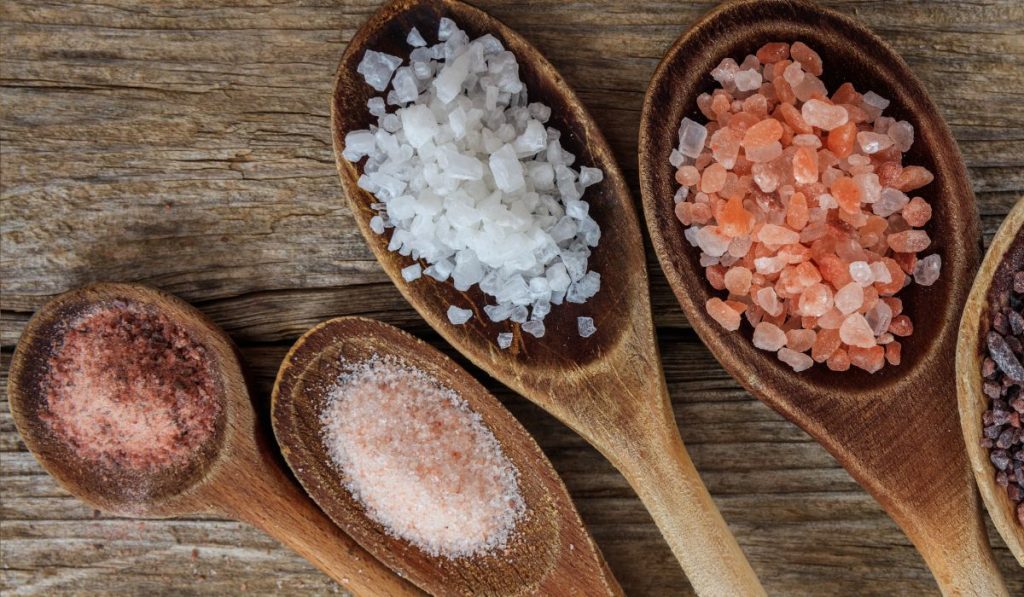
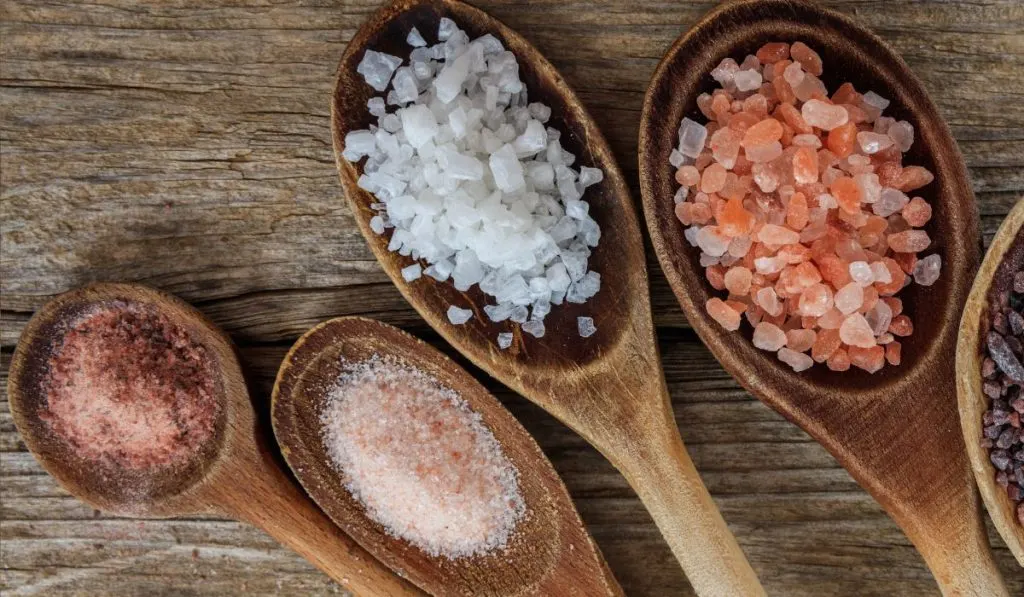
Sea Salt is derived from evaporated seawater and contains a variety of essential minerals. It has a clean taste and is available in both fine and coarse textures. There are various choices, but choosing one that is from a reputable source will help ensure that it’s in its original mineral rich form.
For someone looking for a high-quality, mineral rich salt, natural sea salt is a great option. I love Redmond Real Salt (Amazon link) as the quality is assured. It originates from an ancient seabed in Utah, USA and has a high mineral content.
Another great recommendation is Celtic sea salt, which has a more moist texture and is great for pre-seasoning your meat.
Both of these recommendations have quality control baked into their manufacturing process, and this is one of the reasons why these 2 salts are what I chose to buy.
Pink Salt
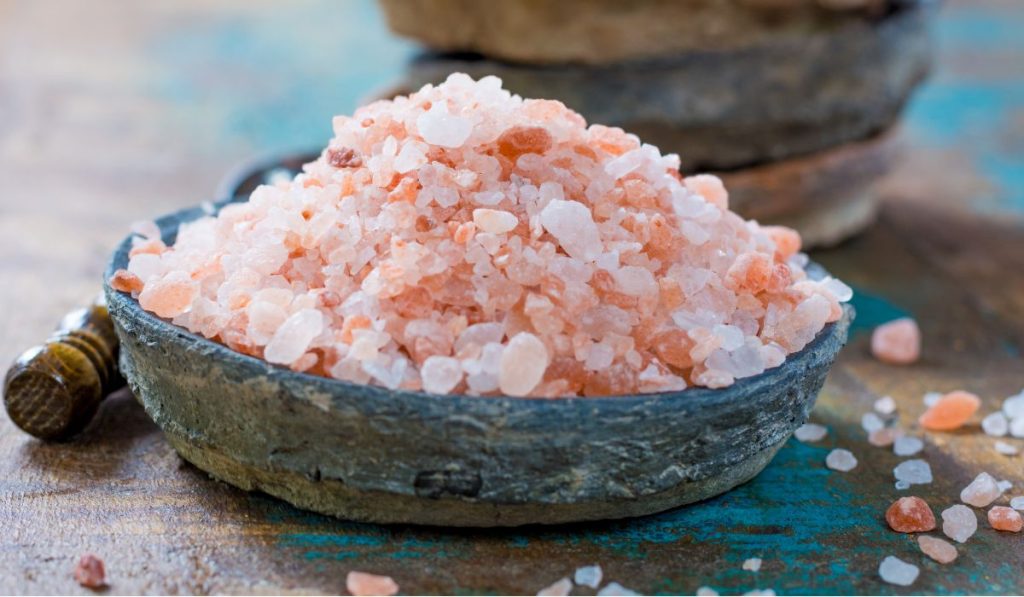
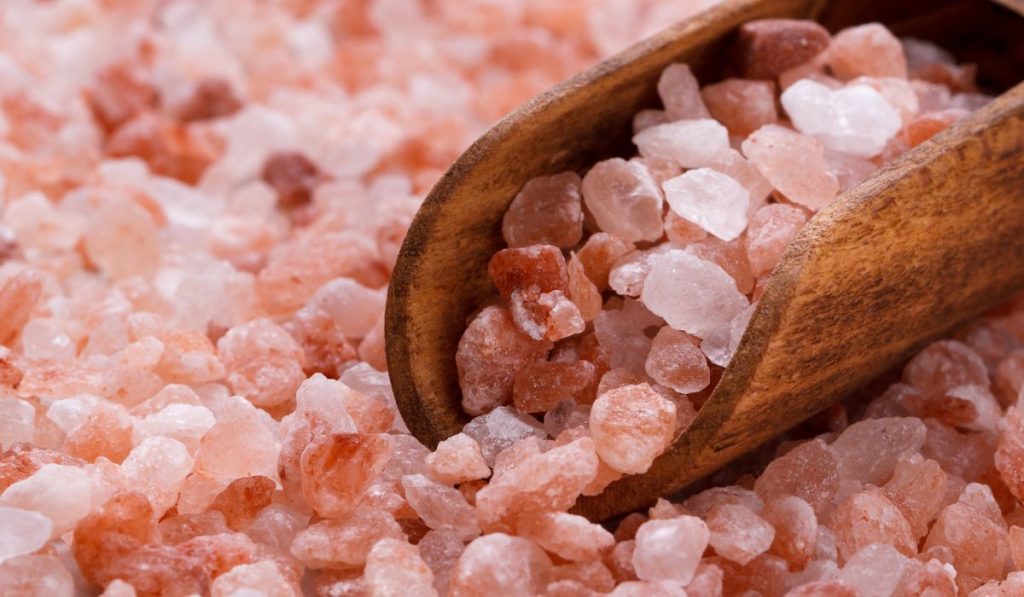
Pink salt gets its name from its pinkish hue (which naturally occurs due the trace minerals in the salt). It’s also known as Himalayan salt, and it comes from one of the oldest salt mines in the Punjab region of Pakistan. Like sea salt, it contains many trace minerals, and is another great choice for carnivore dieters.
Black Salt
Black Salt, also known as Kala Namak, is a type of rock salt primarily sourced from India. It has a sulfurous aroma and unique flavor that can add complexity to your dishes when used sparingly. It’s commonly used in Indian cuisine but it can be a great choice for meat based diets when you want a different flavor profile on your meat.
Aside from table salt, all these types of salts are viable options for those on a carnivore diet. Let’s compare them…
Which Types of Salt are Best on the Carnivore Diet?
From all the different types of salt mentioned above, there are 2 types that contain a decent amount of trace minerals:
- Sea salt
- Pink salt
Black salt contains minimal extra minerals, and table salt contains hardly any. Here’s a table summarizing the different types of salt:
| Type of Salt | Pros | Cons |
|---|---|---|
| Sea salt | -Contains a full range of trace minerals/electrolytes. -Several brands available that have strict quality control. -No added ingredients. | -Can be more expensive than regular table salt -Important to go with a reputable brand to ensure quality and purity. |
| Pink salt | -Contains a full range of trace minerals/electrolytes. -No added ingredients. | -Can be more expensive than regular table salt. -Important to go with a reputable brand to ensure quality and purity. |
| Black salt | -Contains a few extra traces minerals -Has a unique flavor profile that can add interest to your dishes -No added ingredients. | -Contains very few extra trace minerals. -The flavor may not suit everyone. -Not always easily available. |
| Table salt | -Inexpensive. -Easily accessible. | -Added ingredients. -No other trace minerals. |
Looking at the table above, you can clearly see that the winner when it comes to the type of salt that is best for the carnivore diet is a sea salt or a pink salt from a reputable brand that ensures high quality from the moment of harvesting to the moment it reaches the store shelf.
Himalayan salt is an excellent choice, but quality and purity will come down to making sure the packaging company is of a reputable brand. Currently, Himalayan salt is harvested, and then sent over to packaging companies to package and distribute.
This is also the case with many sea salt companies, but there are a few brands of sea salt that harvest, package and distribute their salt, unlike pink salt, which only has harvesting. This ensures quality throughout the whole process, so I like to go with those brands. Here are my top choices…
My Top Choice Salt for the Carnivore Diet
Redmond Sea Salt and Celtic Sea Salt are both brands that adhere strictly to harvesting their salt using natural chemical free processes, and also package and distribute their salt, which ensures quality by the time it reaches me and you.
That’s why my overall top choice is Redmond Sea Salt and Celtic Sea Salt as these 2 brands meet the criteria for quality in my opinion. (Both available on Amazon).
There are also others that I like to use for variety…
Best Salt for Flavor Variety on the Carnivore Diet
If you’re after something a little different, then smoked salt is a great way to add some alternative flavors! Maldon Smoked Sea Salt tastes absolutely delicious and it has completely clean ingredients.
The other option is Black salt. Although it doesn’t have many trace minerals, it does have clean ingredients, and it’s a great way to add a different flavor to your meat without compromising your lifestyle.
NOTE: Be aware that many flavored salts can contain added ingredients such as sweeteners. Check the ingredients list before purchasing.
How to Choose a High Quality Salt for a Meat-Based Diet
Aside from the recommendations I’ve mentioned above, there are many salt brands out there. Here are some tips to help make sure you choose a good quality salt…
- Check the ingredients list – There should be nothing on the list except salt!
- Check the nutritional information – Ideally, there will be trace minerals on the list other than Sodium and Chloride, such as potassium, magnesium, etc. This usually means the processing has not stripped the salt of its natural nutrients.
- Learn about the brand – this one is optional, but a brand that talks about how it processes salt from harvesting, to packaging and distributing will be more likely to have higher quality than one that does’t.
BONUS TIP: If you are not using a high quality salt like Redmond or Celtic, you may want to consider supplementing with electrolytes to ensure a good balance in your body (I like these as their ingredients are clean).
Should you Use Iodized Salt on the Carnivore Diet?
Iodized salt can be used on the carnivore diet, especially if you have concerns about iodine deficiency. However, iodized salt typically lacks the trace minerals found in unrefined salts.
In fact, iodized salt is usually a table salt, with iodine added to it. If you’re concerned about supplementing with iodine, it’s probably better to choose a high quality natural, unrefined salt, and then use an iodine supplement if needed.
Also bear in mind, that many foods you eat on the carnivore diet already have iodine in them, such as fish and eggs.
Hi, I’m Aysha,
I came to the carnivore diet with the hope of healing, & I love sharing what I learn in hopes it’ll help you too!
If you enjoy my content, consider leaving me a tip here.
I appreciate your kindness & support, and wish you good health 🙂
Disclaimer: The information on this site is provided for general informational & educational purposes only, & is not a substitute for professional advice. I am simply someone passing on information that I have found useful to myself. For full disclaimer, click here.