

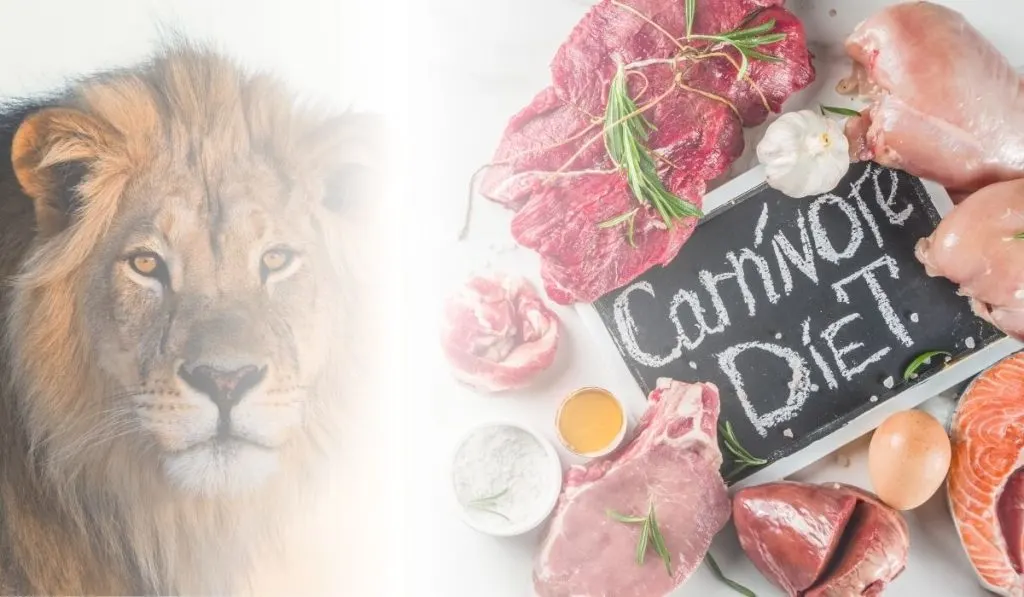
In recent years, the popularity of high-fat, low-carbohydrate diets has surged. Two such diets have gained attention for their radical focus on meat as the primary source of nutrition: the Carnivore Diet and the Lion Diet. (I tried both and I’ll let you know my experience in this article!). Both diets emphasize consuming animal products, but they differ in terms of restrictiveness.
The Carnivore Diet consists solely of animal products, such as meat, fish, and poultry, whereas the Lion Diet is a more restrictive variation of the Carnivore Diet. It consists of only ruminent animals, salt and water.
Both diets are known for being simple and straightforward. All you need to do is eat meat, eliminating all other foods. But if you were to choose between the two, which would better, if any?
In this article, we’ll go through:
- The differences between the Carnivore diet and the Lion Diet
- Which one might be better for you
- My experience of both diets
Understanding the Carnivore Diet
The Carnivore Diet is an all-meat, low-carb eating plan that has gained popularity in recent years. In this diet, you consume primarily meat, aiming to fulfill all your nutritional needs without the need for plant-based foods. Let’s take a look at some of the key features, health benefits, and potential risks of the Carnivore Diet, and then we’ll compare it to the Lion diet…
Key Features of the Carnivore Diet
The main feature of the Carnivore Diet is the consumption of mainly meat, with a focus on high-fat, low-carb sources.
This diet excludes all plant-based foods, including fruits, vegetables, and grains. Typical food choices include beef, pork, chicken, fish, and eggs. Some people also consume dairy products, although they are not a central part of the diet.
Health Benefits of the Carnivore Diet
From my experience, and the anecdotal experience of many others, the Carnivore Diet offers a variety of health benefits, such as:
- Weight loss due to lowered carbohydrate intake and increased satiety from protein
- Improved gut health, as the absence of plant-based fibers may reduce bloating and gas
- Reduced inflammation in the body, as many plant-based foods can cause inflammatory responses in some people
It’s important to note that these benefits are mostly anecdotal, and scientific evidence supporting these claims is limited.
Potential Risks of the Carnivore Diet
While the Carnivore Diet may have some potential benefits, there are also risks associated with this eating pattern:
- Because it is so satiating, it is very easy to undereat, which can lead to fatigue and/or nutritional deficiencies.
- Possible kidney damage from excessive protein intake; it’s really important to be consuming enough fat with the protein to avoid this.
Consulting a healthcare professional before embarking on any extreme dietary changes is always a wise choice.
Understanding the Lion Diet
The Lion diet is even more restrictive than the Carnivore diet. Let’s take a look at some of its key features…
Key Features
The Lion Diet is a highly restrictive elimination diet, consisting only of ruminant meat (such as beef and lamb), salt, and water. It aims to identify and avoid food intolerances and allergy triggers, leading to improved health.
What differentiates the Lion Diet from the Carnivore Diet is its level of restrictiveness. While the Carnivore Diet allows for the consumption of meat, seafood, dairy, and eggs, and any other animal based products, the Lion Diet strictly focuses on ruminant meat, which comes from hoofed animals that obtain their energy from plants more efficiently than other herbivores.
NOTE: Speaking of restrictions, if you’re wondering if the carnivore diet is actually sustainable long term or not, check out my article here.
Health Impacts of The Lion Diet
In terms of health impacts, it’s important to note that the Lion Diet is still quite new, and research on its long-term effects is lacking. However, many people report the following health benefits when on this diet:
- reduced symptoms of autoimmune disorders, chronic inflammation, and other health issues after following the diet
- improved gut health
- weight loss
Again, anyone considering this diet should consult a healthcare professional to ensure it’s appropriate for their individual needs.
Adaptation Period of Carnivore And Lion Diet
When embarking on both the Lion Diet and the Carnivore diet, there’s an adaptation period that the body goes through of at least six weeks of eating this way. The time period will be differ from person to person, and could last anything up to 3 to 6 months. (It lasted 3 months for me).
This initial phase, which can be challenging due to withdrawal from certain foods and possible initial symptoms, is intended to give the body enough time to adjust to the new diet and help identify one’s specific food intolerances.
After the adaptation period, individuals may choose to slowly reintroduce different foods to assess their reactions and identify potential intolerances. This monitoring of reactions helps create a personalized diet plan that eliminates problematic foods, leading to an overall improvement in health and well-being.
Having said that, many people choose to stay eating this way for as long as they can, as they tend to feel so good on it.
Carnivore Diet vs Lion Diet: Similarities & Differences

Let’s take a look at what’s different and what’s similar, and then we can discuss which one might be the better choice for you…
Similarities of Carnivore and Lion Diet
Both the Carnivore diet and the Lion diet are high-fat, low/zero-carbohydrate diets that emphasize consuming animal products. In following either diet, you would rely heavily on meat and exclude most/all plant-based foods. Both diets have a relatively high protein intake.
Both these diets can lead to improved insulin sensitivity, reduced inflammation, and increased satiety due to their high protein content.
The following is a list of similarities between the Carnivore diet and the Lion diet. Both diets:
- Can be used as an elimination diet
- Can reduce insuling sensitivity and help regulate blood sugar
- Can reduce inflammation and help with autoimmune disorders
- Can help with weight loss
- Can help give regulated energy levels
- Can help with mental clarity
Differences of Carnivore and Lion Diet
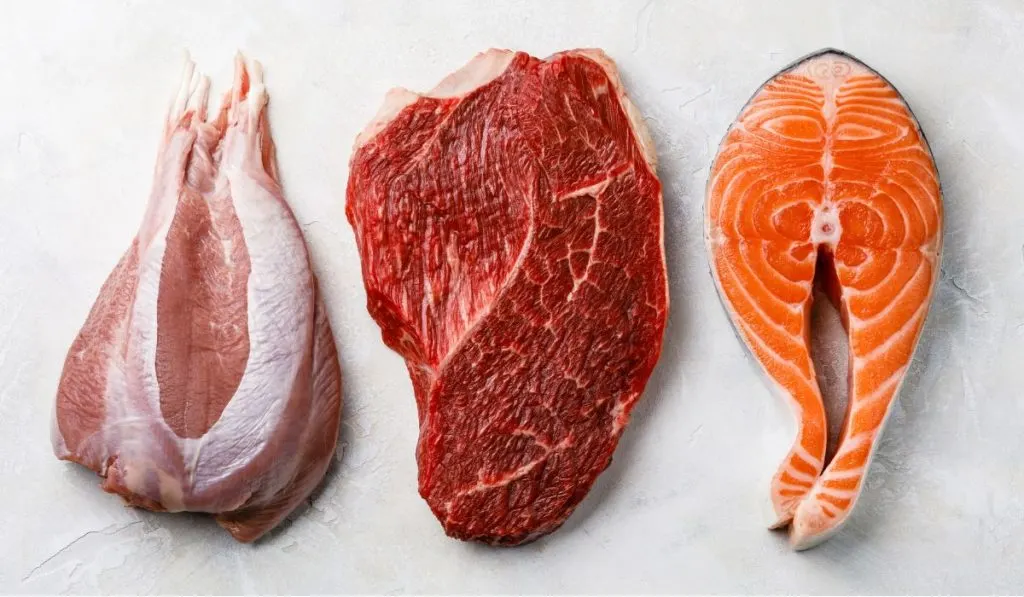
The main difference between the Carnivore diet and the Lion diet lies in the specific food sources each allows. While the Carnivore diet permits all animal products such as meat, fish, and poultry, the Lion diet takes a more restrictive approach, allowing only ruminant meat, salt, and water.
Here’s a table summarizing which food are allowed on both diets:
| Carnivore Diet Food List | Lion Diet Food List |
|---|---|
| Ruminants (Beef, Lamb, Elk, Mutton, Camel, Goat, etc.) | Ruminants (Beef, Lamb, Elk, Mutton, Camel, Goat, etc.) |
| Salt | Salt |
| Water | Water |
| Eggs | |
| Dairy (Yoghurt, Cheese, Cream, etc.) | |
| Fish (Salmon, Cod, Tuna, etc.) | |
| Crustaceans (Muslces, Crab, Prawns, Lobster, etc.) | |
| Poultry (Chicken, Turkey, Duck, etc) |
As you can see from the list above, the Lion Diet is much more restrictive in terms of the types of foods you can include. But now that we know the differences and similarities, let’s look at why you would choose to do one of them over the other…
TIP: If you’re wondering why salt is so important on a meat-heavy diet, and whether you really need it or not, check out my article here.
Carnivore Diet vs Lion Diet: Which Should I Choose?
It’s extremely important to make an informed decision when deciding on your food choices, and to also take into consideration your goals, and the reasons for following a particular way of eating.
NOTE: You might also want to compare the carnivore diet to other ways of eating too. I’ve compared it to the Keto diet here, and the Mediterranean diet here.
I’ve mentioned earlier the many health benefits that can be achieved through both of these diets, and there are many more that I have personally seen in my own life that I haven’t mentioned above, such as relief of joint pain, acne free skin, better sleep, and reduction of eczema. (To read more about my story, click here.)
So it is worth understanding here, that both of these diets, whichever one you choose, will benefit you greatly, especially if you are coming from a standard American diet.
But if you are struggling specifically with very serious/severe auto-immune issues, the Lion diet is definitely worth considering, at least temporarily until your health starts to improve, and then you could slowly start to introduce other animal products as you see fit.
NOTE: Check out my article here if you’d like a timeline of how soon you might see results on the carnivore diet.
I suffered from auto-immune issues, as well as chronic fatigue syndrom, fibromyalgia, and many other ailments, so I tried the Lion diet, but could only manage it for a few weeks as there was not enough variety for me.
However, I decided to stick to carnivore, which I found super easy to follow (after all the withdrawel symptoms of course), and I am thriving on it. Did it perhaps slow down my healing slightly? Perhaps. I still drink tea, coffee, and dairy even though I mildly react to them. But I’m doing miles better than I was before starting the diet.
And if staying on Carnivore is improving my health slower than the Lion diet, I’m good with that, because so far, carnivore has been sustainable for me, whereas Lion was too difficult to stick to. But that’s just me; and it may be different for you.
Many people though, especially with very serious auto-immune issues, need to stick to something as strict as the Lion diet in order to:
- Allow their bodies to heal
- Feel better
It is up to each individual to find what works for them, whether that means being super strict on the Lion diet, having some more variety on carnivore, or breaking the rules entirely by allowing yourself certain foods from the ‘not allowed’ list.
The most important thing is to find what works for you and your body. We all have unique health needs and preferences.